


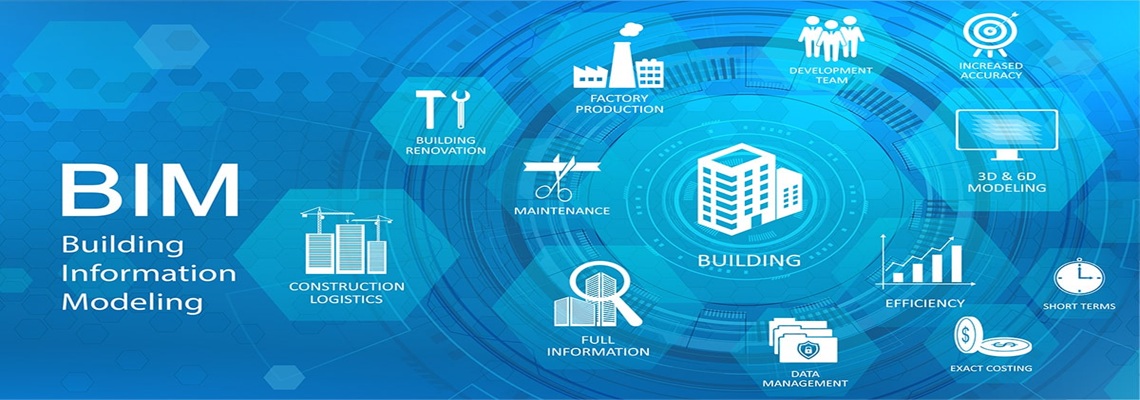
Building Information Modelling (BIM) Information Management System
ISO 19650
Building Information Modelling (BIM) Information Management System – as the coordinated activity of an organisation to manage and structure information throughout the life cycle of a built asset using BIM. Information is an essential asset that delivers value to an organisation across design, construction, and operational phases.
What is ISO 19650?
ISO 19650 is an international standard for managing information over the whole life-cycle of a built asset using Building Information Modelling (BIM). The life-cycle of built assets goes throughout different stages such as strategic planning, design, procurement, construction, handover, operation, maintenance, and decommissioning, depending on the type of the asset. Hence, ISO 19650 can be applied to all sizes of businesses, projects of any scale, and all stakeholders across the Architecture, Engineering, Construction, and Operations (AECO) sectors.
Why ISO 19650?
Benefits of Structured BIM Information Management
The tangible results of a collaborative, risk-based, whole life-cycle information management approach are increasingly recognized across the built environment. They include:
- Improved performance of information management and control of the asset’s digital life-cycle.
- Reduced risks and costs related to design clashes, rework, data duplication, and handover errors.
- Identifies and encourages more efficient and time-saving processes through standardized Common Data Environments (CDE).
- Provides and maintains business growth through enhanced competitiveness in BIM-mandated tenders.
- Improved organizations performance via seamless collaboration among multidisciplinary project teams.
- Improved quality of built assets and services through accurate, verified, and accessible digital models.
- Realized long-term investment opportunities and optimized operational costs during the asset maintenance phase.
- Improved communication and relation among departments, client teams, contractors, and supply chain partners.